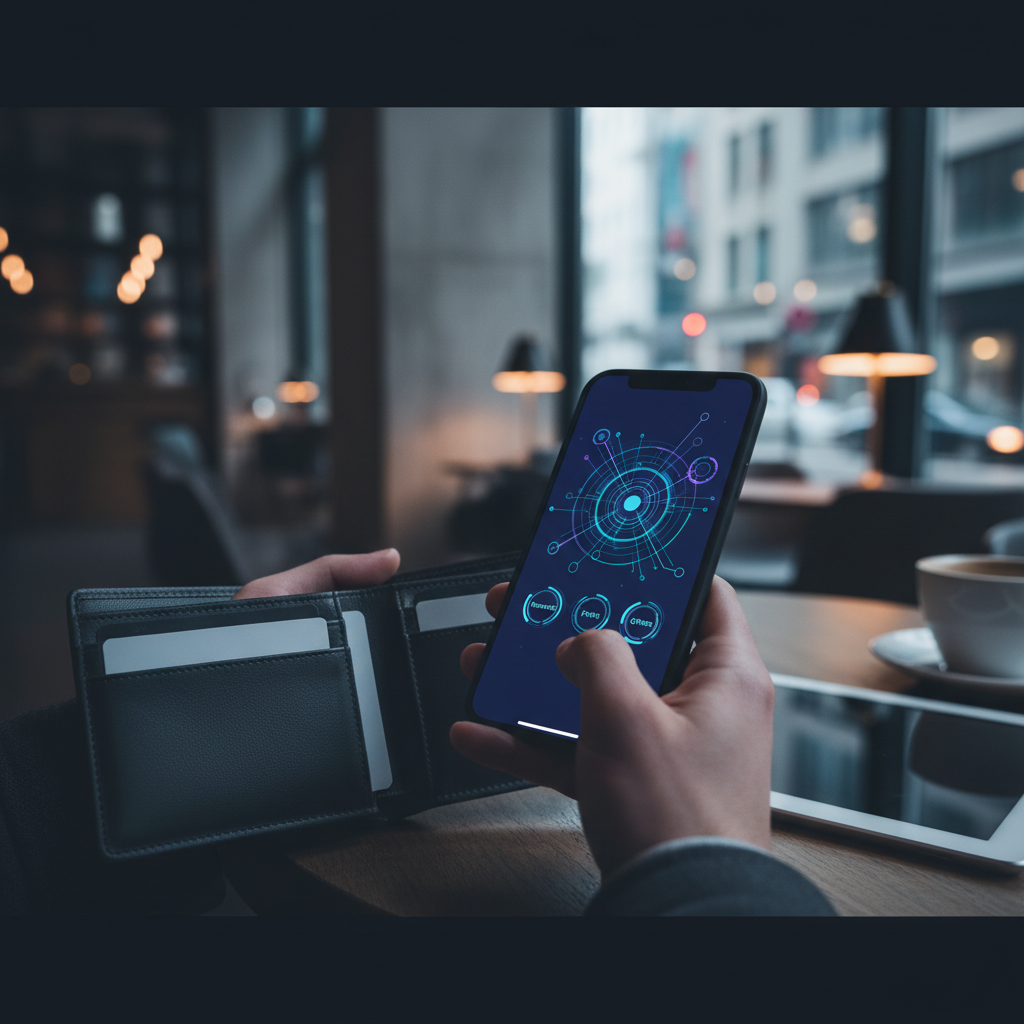
Wallet-based loyalty refers to loyalty programmes where rewards, membership credentials, and loyalty assets are stored and managed through digital wallets — either mobile payment wallets (Apple Wallet, Google Wallet) or blockchain-based crypto wallets. The shift from plastic cards and database entries to wallet-native loyalty changes the accessibility, portability, and in the case of blockchain wallets, the ownership model of customer rewards.
Build a loyalty program your customers will actually use
See Loop.fans Loyalty & RewardsThis guide covers both dimensions of wallet-based loyalty — mobile wallet integration for mainstream accessibility and crypto wallet-based loyalty for brands building on blockchain infrastructure — and how to choose the right approach for your audience and business model.
What Is Wallet-Based Loyalty?
Want to calculate the ROI of a loyalty program? Try our free loyalty ROI calculator — See the revenue impact in minutes.
Wallet-based loyalty is a broad category that includes any loyalty programme where the customer's primary interaction point is through a digital wallet. This encompasses:
- Mobile wallet loyalty — loyalty cards, stamps, and passes stored in Apple Wallet or Google Wallet, accessible on a customer's phone without a dedicated brand app
- App-based wallet loyalty — loyalty programmes accessed through a brand's own app, which functions as the customer's loyalty wallet
- Blockchain wallet loyalty — on-chain tokens and NFTs held in a crypto wallet (MetaMask, Phantom, ArgentX), representing loyalty assets that the customer genuinely owns
Each approach serves different audiences and delivers different properties. Mobile wallet loyalty maximises accessibility. Blockchain wallet loyalty maximises ownership and programmability.
Mobile Wallet Loyalty: Apple Wallet and Google Wallet Integration
Integrating your loyalty programme with Apple Wallet and Google Wallet is one of the most effective ways to increase programme accessibility and card usage rates. Customers already have these apps on their phones and check them regularly — being in Apple Wallet means your loyalty card surfaces at the right moment (near a store, at checkout) without requiring a dedicated app install.
Key features of mobile wallet loyalty
- Pass cards — loyalty cards that display current points balance, membership tier, and relevant offers
- Dynamic updates — pass content updates in real-time (new points balance after a purchase, updated offer)
- Location-triggered notifications — Apple/Google Wallet can surface relevant passes when a customer is near a participating location
- No app download required — reduces friction versus a dedicated loyalty app significantly
- Lock screen accessibility — passes are accessible from the lock screen, increasing visibility
Mobile wallet loyalty is particularly effective for hospitality, retail, and service businesses where in-person redemption is the primary use case.
Blockchain Wallet Loyalty: On-Chain Ownership
For brands building on web3 infrastructure, blockchain wallet loyalty takes a fundamentally different approach — loyalty assets (tokens and NFTs) are held in the customer's own crypto wallet, not in a brand database or even a mobile wallet managed by Apple or Google.
Key properties of blockchain wallet loyalty
- True ownership — assets in the customer's wallet cannot be removed by the brand unilaterally
- Cross-platform portability — any platform can recognise and accept the wallet's assets
- Secondary market potential — tokens and NFTs in a wallet can be traded on compatible marketplaces
- Token-gated access — holding specific assets in a wallet can automatically unlock access to content, communities, or experiences
- Composability — wallet assets can interact with other on-chain applications, creating new engagement possibilities
See how this fits into the broader blockchain loyalty and web3 loyalty platform model.
Custodial vs Self-Custody Wallets in Loyalty
One of the most important design decisions for blockchain wallet loyalty is the custody model:
Self-Custody Wallets
Customers manage their own private keys (MetaMask, ArgentX, Phantom). Full ownership and control, but requires crypto literacy. Best for crypto-native audiences.
Custodial Wallets
The brand or platform manages the wallet on the customer's behalf — the customer doesn't need to manage private keys or understand blockchain. Dramatically reduces friction for mainstream audiences. The trade-off: the customer is trusting the platform with their assets rather than holding true self-custody.
Embedded Wallets
A middle ground — wallets created automatically when a customer signs up, using familiar authentication (email/social login) rather than private keys. Embedded wallets give the accessibility of custodial wallets with a clearer path to self-custody if the user wants it. Platforms like Loop.fans use this approach to make on-chain loyalty accessible to mainstream audiences.
Token Gating with Wallet-Based Loyalty
One of the most compelling applications of wallet-based loyalty is token gating — restricting access to content, communities, or experiences based on wallet contents. Examples:
- Discord server access unlocked by holding a brand's NFT
- Exclusive content available only to token holders above a certain balance
- Event early access for NFT membership pass holders
- Premium product tier unlocked by holding a specific achievement NFT
Token gating creates genuine exclusivity that's verifiable on-chain — not easily gamed and not dependent on a central database to check.
Designing a Wallet-Based Loyalty Programme
- Define your audience — are they crypto-native, mainstream, or somewhere between? This determines your custody model and UX approach
- Choose your wallet type — mobile wallet (Apple/Google) for mainstream in-person loyalty, blockchain wallet for on-chain ownership and community
- Design the assets — what tokens, NFTs, or pass content will live in the wallet?
- Plan token gating — what experiences, content, or communities will be wallet-gated?
- Build the UX — the wallet should feel like a loyalty wallet, not a crypto experiment
- Plan onboarding — getting customers into your wallet-based programme requires lower friction than traditional loyalty app install
Wallet-Based Loyalty on Loop.fans
Loop.fans integrates blockchain wallet infrastructure with traditional loyalty mechanics — supporting both custodial and self-custody wallet connections, on-chain token issuance, NFT collectibles, and token-gated community access. Built on StarkNet for low-cost, high-speed on-chain interactions that make wallet-based micro-rewards economically viable. See also: tokenized loyalty and tokenized rewards.
Free loyalty program — no app download needed for customers
See Loop.fans Loyalty & RewardsStart your loyalty program today — free
See Loop.fans Loyalty & RewardsFAQs
What is wallet-based loyalty?
Loyalty programmes where rewards, membership credentials, and loyalty assets are stored and managed through digital wallets — either mobile payment wallets (Apple/Google Wallet) or blockchain-based crypto wallets.
What's the difference between Apple Wallet loyalty and crypto wallet loyalty?
Apple/Google Wallet stores passes and cards managed by the brand — accessible without crypto knowledge, but assets are still controlled by the brand. Crypto wallet loyalty stores on-chain tokens and NFTs — the customer owns them, and they exist independently of the brand's system.
Do customers need to download an app for wallet-based loyalty?
For mobile wallet loyalty (Apple/Google Wallet), no app download is required — customers add a pass to their existing wallet. For blockchain wallet loyalty, an embedded wallet can be created automatically on sign-up, also without a dedicated app install.
Can wallet-based loyalty work for brick-and-mortar businesses?
Yes. Mobile wallet passes with location-triggered notifications are particularly effective for in-store retail and hospitality — surfacing relevant offers and loyalty cards when customers are near a location.
Is blockchain wallet loyalty safe?
With a reputable custodial or embedded wallet provider, yes — the security model is typically equal to or better than traditional loyalty app security. Self-custody wallets are secure if the customer manages their private key responsibly, but require more user education.
Conclusion
Wallet-based loyalty is where the industry is heading — whether through mobile wallet integration for mainstream accessibility or blockchain wallet infrastructure for genuine digital ownership. The best programmes combine both: mobile wallet passes for in-person convenience, and on-chain assets for the deep engagement that comes from true digital ownership.
Build wallet-native loyalty on Loop.fans — on-chain fan tokens, NFT collectibles, and digital membership built on StarkNet for the next generation of fan economy brands.
Related guides in this series
Part of: The Ultimate Guide to Loyalty Programs & Rewards
Also on Loop.fans: Build your business website with our AI website builder — includes CRM, loyalty rewards, and customer engagement tools.
Go deeper
Ready to get started?
Start your free trial on Loop.fans — Free loyalty tools for businesses of every size.