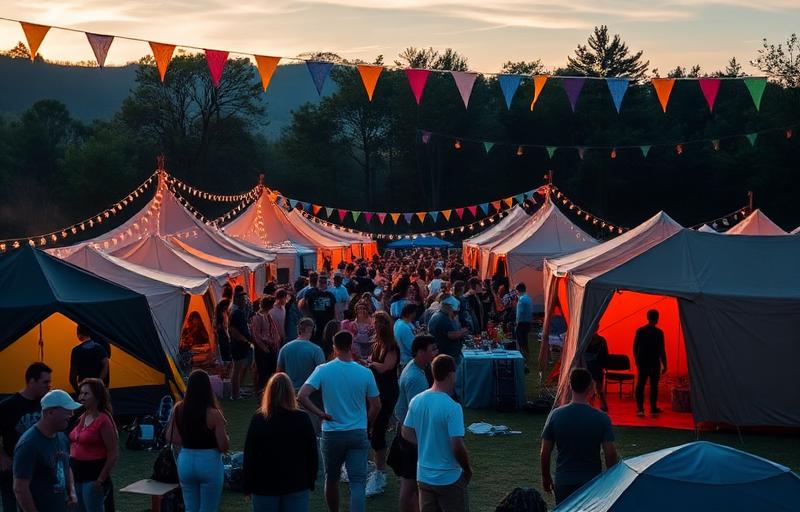
Multi-day festivals give attendees more time to discover artists, vendors, and activities, but a packed schedule can also create fatigue. Engagement across several days depends on helping people make choices, find what they need, and feel comfortable enough to enjoy the event at their own pace.
Make planning easier
Publish an accurate schedule with stage, location, and change information that is easy to check on a phone and in printed formats. Let people save a personal itinerary, but make sure the full program remains accessible. If schedules change, communicate the update in the places attendees already use.
Balance discovery with rest
Build clear routes between stages and leave room for food, seating, water, accessible facilities, and quieter spaces. Avoid designing every moment around an activation. Rest and practical services are part of a positive experience, especially over a long event.
Use light-touch participation
Offer optional ways to explore: an artist introduction, a vendor trail, a creative workshop, or an activity that celebrates the setting. Explain how long it takes and whether there is a reward. Do not create incentives that encourage unsafe movement, overcrowding, or pressure to share publicly.
Help people stay connected
Use timely alerts for meaningful schedule changes and safety information, not constant promotional prompts. Explain where to get help and how to contact event staff. If people opt into event updates, respect their notification choices and provide clear alternatives for essential information.
Check the experience across all days
Review attendance patterns, schedule discovery, queue and service feedback, incident reports, and survey responses by day. A drop in activity may reflect fatigue, weather, transport, or lineup structure rather than a lack of interest. Use operational feedback to improve the next edition.
For broader approaches to event participation, see festival apps and gamification and the festival engagement platform guide.
Final thought
Multi-day engagement is built through a thoughtful schedule and a comfortable event environment. Give attendees useful choices, communicate clearly, and let the experience—not constant prompts—carry the energy.